A caesarean section is a surgical method of delivery in which the baby is born through an incision in the abdominal wall and uterus. It is not an alternative to natural birth but the route chosen when there is an indication: the decision is based on the condition of mother and baby.
When it is performed
- abnormal position of the baby;
- mismatch between the size of the pelvis and the baby;
- problems related to the placenta;
- weak labour or signs of fetal distress;
- maternal health conditions that prevent natural birth;
- some cases of multiple pregnancy.
Anaesthesia
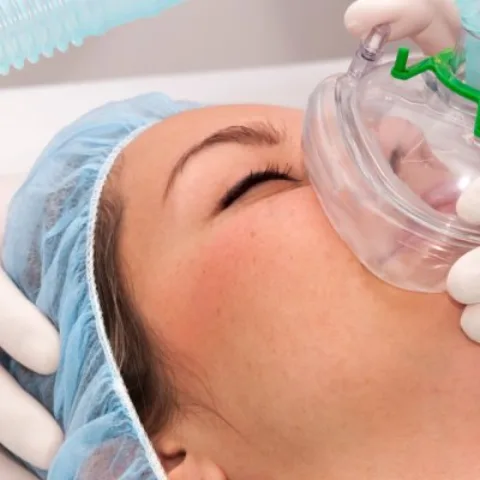
Regional anaesthesia — spinal or epidural — is most often used for a caesarean section. The woman remains conscious and can see her baby from the very first moment. In emergencies or when regional anaesthesia is contraindicated, general anaesthesia is chosen. The anaesthetist decides on the method according to the patient's condition.
Recovery
A caesarean section is abdominal surgery, so recovery takes longer than after a natural birth. Moving in the first days and then gradually returning to a normal routine is recommended. Lifting heavy objects, strenuous exercise and pressure on the wound are limited. It is important to consult the doctor before planning the next pregnancy.
Treatment stages
- Making the decision
Indications are assessed in the final weeks of pregnancy or during labour.
- Preparation
Tests, an anaesthetist's consultation and choosing the type of anaesthesia.
- Surgery
The baby is born under regional anaesthesia; the mother often sees her baby straight away.
- Recovery
Early mobilisation, wound care, establishing breastfeeding and follow-up visits.
Questions about this service
Is a caesarean section painful?
Is natural birth possible after a caesarean?
When can I get pregnant again after a caesarean?
Have a question?
Book an appointment or message on WhatsApp — we will choose the right treatment together.