The contraceptive method is chosen individually for each woman: age, birth history, other illnesses and future pregnancy plans are taken into account. There is no universal answer — a method that suits one patient may be contraindicated for another.
What is an IUD
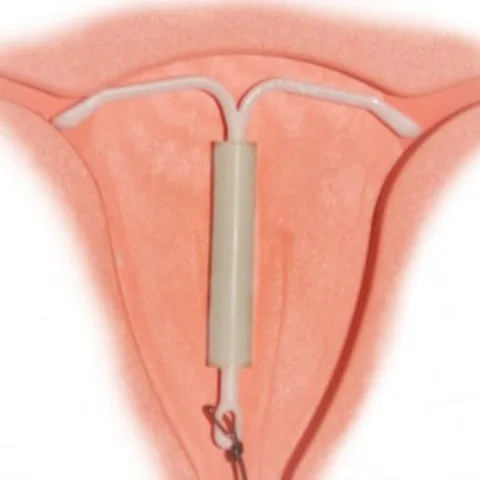
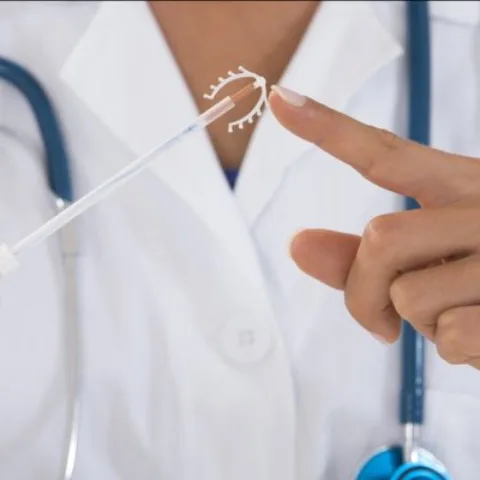
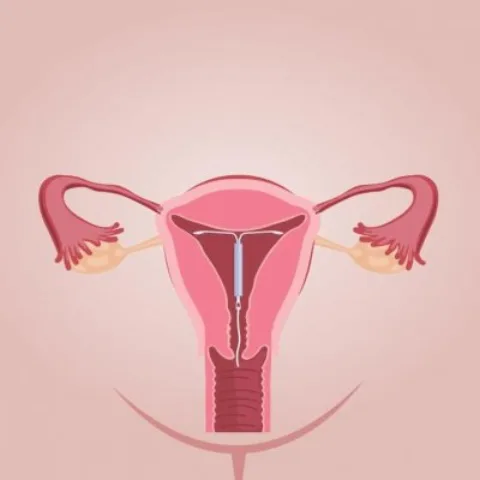
An intrauterine device is a small device placed in the uterine cavity that provides long-term protection. It requires no daily attention, and fertility returns after removal. The doctor chooses the type of IUD and the duration of use after an examination.
What we do in this area
- consultation on choosing a contraceptive method;
- IUD insertion;
- planned follow-up of patients using an IUD;
- IUD removal or replacement;
- hysteroscopic removal of an IUD whose strings have retracted into the uterus.
Before and after insertion
Before an IUD is inserted, a gynecological examination, ultrasound and tests for infections are required — any inflammation is treated first. Insertion is done on certain days of the cycle. The first follow-up visit is usually within the next few weeks, then on a planned schedule.
When to see the doctor
- severe or prolonged pain;
- excessive bleeding;
- foul-smelling discharge or fever;
- you cannot feel the IUD strings.
Treatment stages
- Consultation
Discussing contraceptive methods and choosing the right option for you.
- Preparation
Gynecological examination, ultrasound and tests for infections.
- Insertion
The IUD is inserted on a suitable day of the cycle as an outpatient procedure.
- Follow-up
A first check-up, then planned visits; removal or replacement when due.
Questions about this service
Is IUD insertion painful?
Can I get pregnant after the IUD is removed?
Can women who have not given birth have an IUD?
Have a question?
Book an appointment or message on WhatsApp — we will choose the right treatment together.