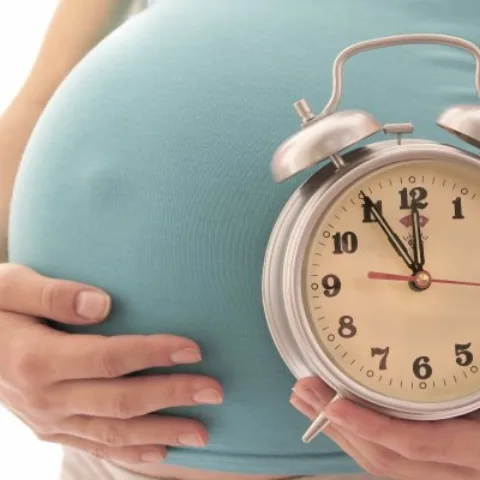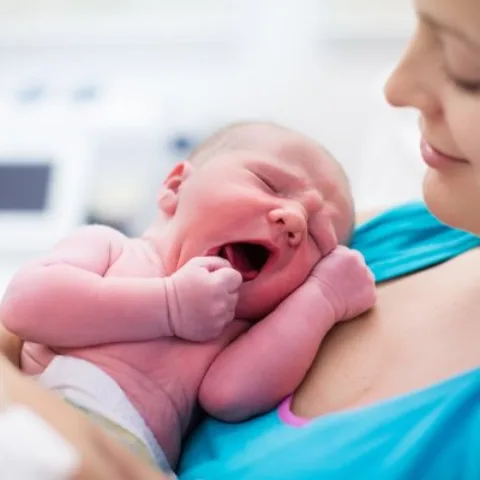
Natural birth is the method chosen when there are no obstacles for mother or baby. Recovery is faster than after a caesarean section, the mother has earlier contact with the baby, and breastfeeding is usually easier to establish. How the birth will be managed depends on the course of pregnancy, the baby's condition and the mother's health.
Pain-free birth
Pain-free birth usually means epidural anaesthesia: the woman stays conscious and takes part in the birth but does not feel the pain of contractions. The decision to use anaesthesia is made together with the anaesthetist, considering the course of labour and the patient's condition.
Preparing for birth
- regular check-ups in the last weeks of pregnancy;
- assessing the baby's condition with ultrasound and cardiotocography (CTG);
- discussing the birth plan with the doctor in advance;
- clarifying when to set off for the hospital.
When to see a doctor immediately
- regular and increasingly strong contractions;
- waters breaking;
- any bloody discharge;
- reduced baby movements.
Treatment stages
- Care in the final weeks
Check-ups, ultrasound and CTG to monitor the baby's condition.
- Birth plan
The method of delivery, choice of anaesthesia and possible scenarios are discussed in advance.
- Birth
The doctor's support from the start of contractions until the baby is born.
- After birth
Monitoring mother and baby, establishing breastfeeding and overseeing recovery.
Questions about this service
Does epidural anaesthesia affect the baby?
My previous birth was a caesarean — can I give birth naturally?
When should I go to the hospital?
Have a question?
Book an appointment or message on WhatsApp — we will choose the right treatment together.