

Laparoscopy is a surgical method performed through several small punctures instead of a large abdominal incision. A camera transmits the internal organs to a screen magnified 10–20 times, so the surgeon can work precisely even in areas that are hard to reach in open surgery. The scope of the operation itself is the same as in open surgery — the difference is only in the trauma to the body.
When laparoscopy is performed
- removal of the uterus (hysterectomy);
- removal of ovarian cysts;
- removal of fibroids (myomectomy);
- diagnosis and surgical treatment of infertility;
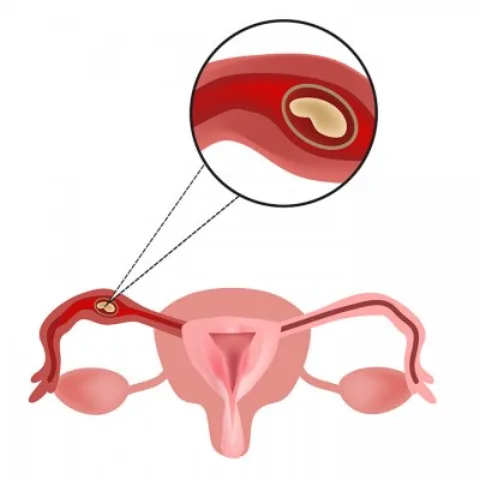
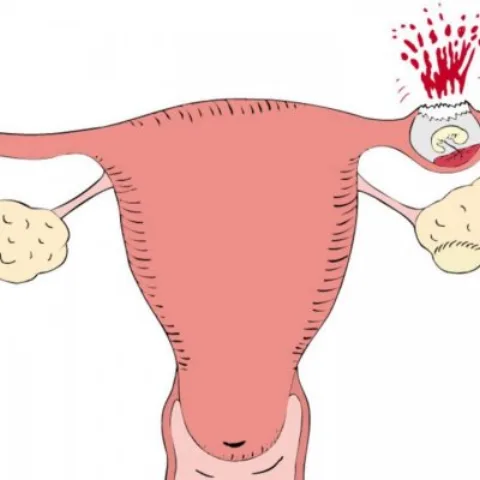
- treatment of ectopic (tubal) pregnancy or preservation of the tube (tubotomy);
- treatment of polycystic ovary syndrome (ovarian drilling);
- removal of endometriosis lesions;
- surgical repair of pelvic organ prolapse.
Advantages
Because the minimally invasive method causes less tissue damage, there is less bleeding during surgery, less pain and a shorter hospital stay.
- faster recovery and return to daily life;
- less blood loss and less risk of anaemia after surgery;
- only small punctures on the skin — an excellent cosmetic result;
- fewer abdominal wall infections;
- fewer adhesions.
Who it is not recommended for
Laparoscopy can be performed on most patients in good general health. Because the patient lies with the head tilted down during surgery, it may not be chosen for people with severe shortness of breath or serious heart conditions. For women with very large and multiple fibroids, open surgery is more suitable. The decision is made individually based on the examination results.
Preparation
Before surgery a doctor's examination, ultrasound and laboratory tests are required. The doctor decides on which day of the menstrual cycle the procedure will take place. At your appointment, be sure to mention any medication you take, previous operations and chronic illnesses.
Treatment stages
- Consultation and examination
Discussing your symptoms, gynecological examination and ultrasound. This is where we decide whether laparoscopy is right for you.
- Pre-operative preparation
Laboratory tests, the anaesthetist's assessment and choosing the right day of the cycle.
- Surgery
Performed under general anaesthesia with a camera and instruments through several small punctures in the abdominal wall.
- Recovery and follow-up
A short stay in hospital, then follow-up visits. You return to daily life sooner than after open surgery.
Questions about this service
Does laparoscopy leave scars?
Can the uterus be completely removed laparoscopically?
How does laparoscopy help with infertility?
Can I plan a pregnancy after surgery?
Have a question?
Book an appointment or message on WhatsApp — we will choose the right treatment together.
Related articles

- Laparoscopic and hysteroscopic treatment of fibroids28.08.2019
- Minimally invasive surgery in gynecology28.08.2019
- Who needs laparoscopic surgery and what are its advantages?28.08.2019
- Laparoscopic treatment of ovarian conditions28.08.2019
- Laparoscopic hysterectomy28.08.2019
- Laparoscopic treatment of infertility28.08.2019
- Laparoscopic diagnosis of infertility28.08.2019
- Laparoscopic treatment of pelvic organ prolapse28.08.2019
- Laparoscopic removal of fibroids28.08.2019
- Laparoscopic cyst surgery28.08.2019
- Removal of the uterus — hysterectomy27.08.2019